
The Benefits of CBT for Seasonal Affective Disorder


Understanding Seasonal Affective Disorder
Seasonal Affective Disorder (SAD) is a type of depression that occurs at a specific time of year, usually in the winter months. The reduction in sunlight exposure is believed to play a significant role in triggering this condition. Common symptoms include fatigue, depression, hopelessness, and social withdrawal.
Many people find that their mood and energy levels plummet during the colder, darker months. Fortunately, Cognitive Behavioral Therapy (CBT) has emerged as an effective treatment option for managing these symptoms and improving quality of life.

What is Cognitive Behavioral Therapy?
Cognitive Behavioral Therapy is a form of psychotherapy that focuses on identifying and changing negative thought patterns and behaviors. By challenging these patterns, individuals can learn to respond to situations in healthier ways. CBT is a structured, time-limited therapy that is highly effective for a variety of mental health conditions, including depression and anxiety.
For those suffering from SAD, CBT can be particularly beneficial as it helps individuals reframe their thinking about the changing seasons and their impact on mood. This therapy empowers people to develop coping strategies to manage their symptoms.
Key Benefits of CBT for SAD
There are several benefits to using CBT for treating Seasonal Affective Disorder:
- Improved Mood: CBT helps individuals recognize and alter negative thought patterns, leading to an improvement in mood and a reduction in depressive symptoms.
- Enhanced Coping Skills: Patients learn specific strategies to combat feelings of hopelessness and lethargy, equipping them with tools to handle challenging periods.
- Increased Self-Awareness: CBT encourages self-reflection, helping individuals become more aware of their thoughts and behaviors.

How CBT Works for SAD
CBT for SAD typically involves several key components. Therapists work with patients to identify distorted thinking patterns and replace them with more balanced, realistic thoughts. Behavioral techniques, such as activity scheduling, are also used to encourage engagement in enjoyable activities despite low energy levels.
Therapy sessions may include psychoeducation about SAD, guiding patients to understand the condition and the role of light exposure. Patients are taught to monitor their mood and thoughts, identifying triggers that worsen their symptoms.
Combining CBT with Other Treatments
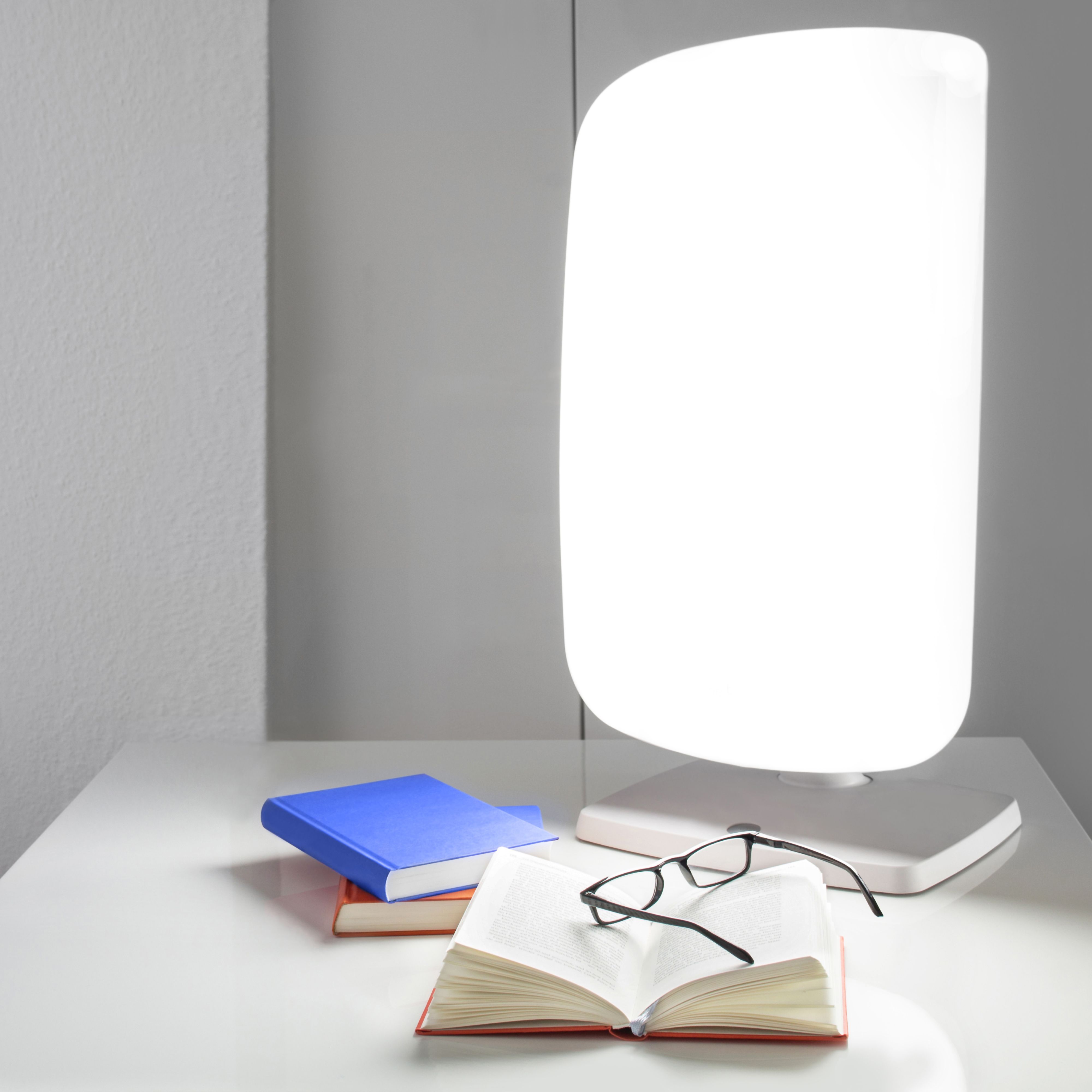
While CBT is effective on its own, it can also be combined with other treatments for enhanced results. Light therapy, for example, is a common treatment for SAD that involves exposure to bright artificial light. When used alongside CBT, patients often experience a more significant reduction in symptoms.
Medications, such as antidepressants, may also be prescribed in conjunction with CBT for those with severe symptoms. This combination can provide a comprehensive approach to managing SAD.
Long-Term Benefits of CBT
One of the most significant advantages of CBT is its potential for long-lasting effects. Unlike medications that may only provide temporary relief, CBT equips individuals with skills they can use throughout their lives. These skills help prevent future episodes of depression by promoting healthier thinking patterns and behaviors.
Patients who undergo CBT often report feeling more in control of their emotional responses, which can lead to improved relationships and a better overall quality of life.
Conclusion
Seasonal Affective Disorder can be a challenging condition to manage, but CBT offers a promising solution. By addressing the root causes of depressive symptoms and equipping individuals with practical coping strategies, CBT can significantly improve the well-being of those affected by SAD.
If you or someone you know is struggling with SAD, consider exploring CBT as a treatment option. With its proven effectiveness, CBT can help brighten even the darkest of winter days.