
How to Use CBT for Depression: A Newcastle Perspective


Understanding CBT and Its Impact on Depression
Cognitive Behavioral Therapy (CBT) is a widely recognized therapeutic approach for managing depression. By focusing on changing negative thought patterns, CBT aims to alter behavior and emotional responses. For those in Newcastle, accessing CBT can be a transformative experience, offering practical tools to tackle depression effectively.
How CBT Works
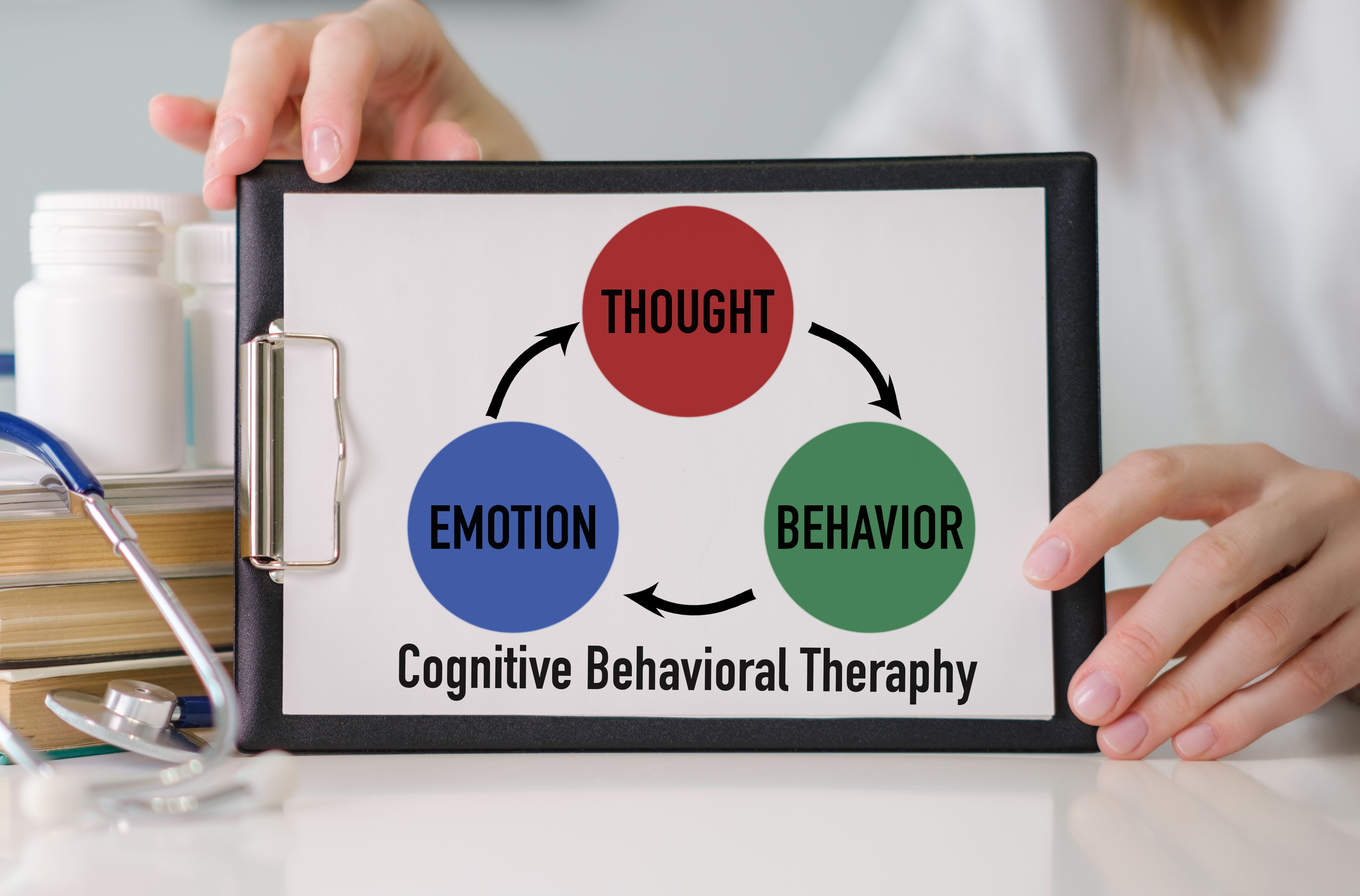
CBT operates on the principle that our thoughts, feelings, and behaviors are interconnected. By identifying and challenging unhelpful thoughts, individuals can develop healthier patterns. This therapy involves structured sessions, often including homework assignments that encourage clients to apply what they've learned.
Steps in CBT
CBT typically follows a structured approach:
- Identifying negative thought patterns.
- Challenging these thoughts with evidence-based reasoning.
- Replacing them with balanced, positive thoughts.
- Practicing new behaviors to reinforce these changes.
The Newcastle Perspective
In Newcastle, therapists often tailor CBT to reflect local cultural and environmental factors. This customization helps make therapy more relatable and effective for clients in the area. Newcastle's vibrant community and resources provide a supportive backdrop for those undergoing CBT.

Finding a CBT Therapist in Newcastle
Locating a qualified CBT therapist in Newcastle involves researching and considering factors such as credentials, experience, and client reviews. Many therapists offer initial consultations to discuss their approach, allowing potential clients to find a good fit.
Benefits of CBT for Depression
CBT offers numerous benefits, including:
- Improved mood and emotional regulation.
- Enhanced coping strategies for stress and anxiety.
- Long-term tools for maintaining mental wellness.

Real-Life Success Stories
Many individuals in Newcastle have successfully used CBT to manage depression. These success stories often highlight the therapy's ability to empower people, giving them control over their mental health and leading to improved quality of life.
Conclusion
Using CBT for depression in Newcastle provides a structured, effective approach to mental health care. With its focus on thought patterns and behavior, CBT can make a significant difference in the lives of those struggling with depression. For more information, consider reaching out to local mental health services in Newcastle.